Advanced Wound Care in Houston
Specialized Treatment for Chronic and Non-Healing Wounds
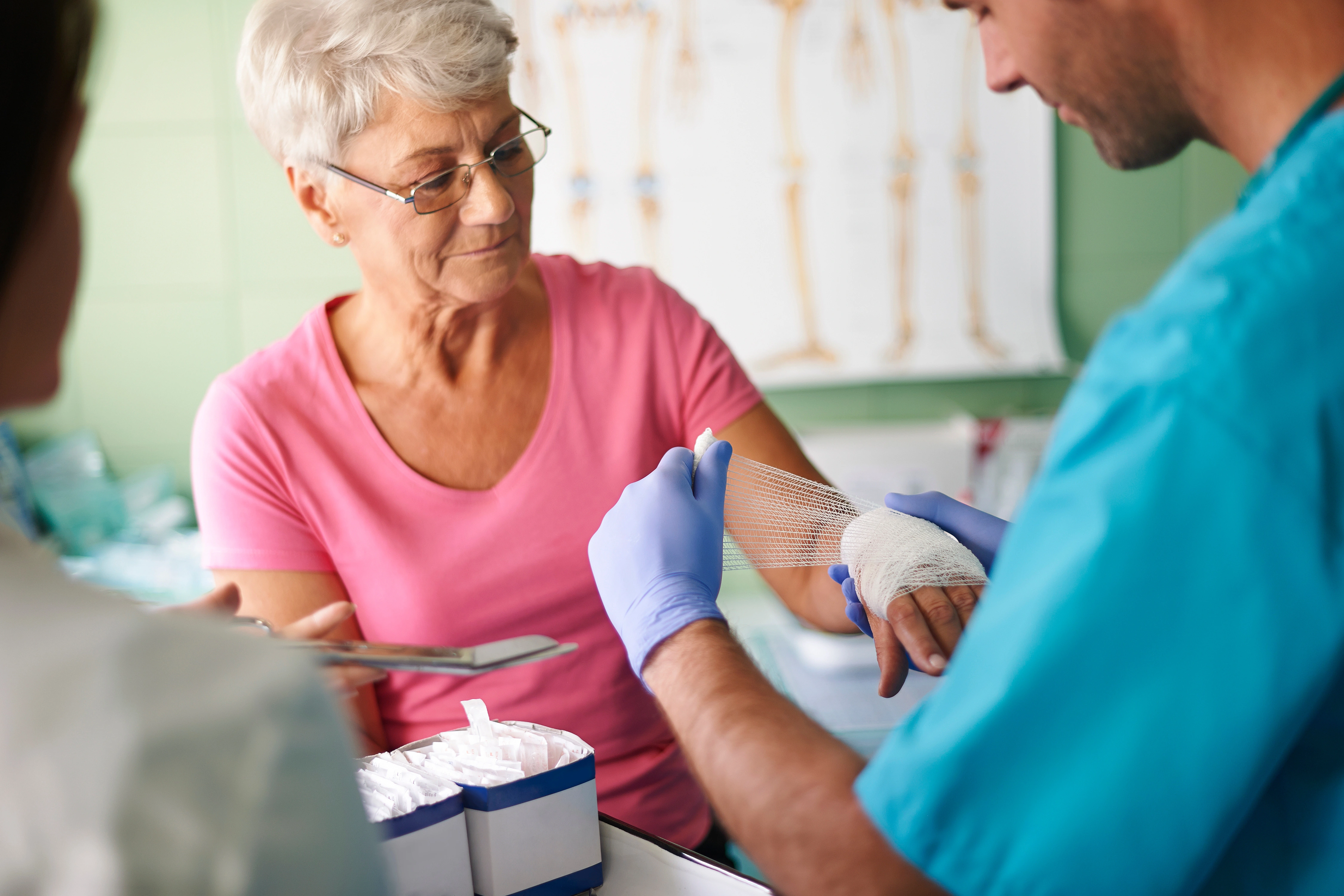
At Houston Hyperbaric Oxygen Center, our wound care team specializes in the evaluation and treatment of chronic, complex, and non-healing wounds. Whether your wound is related to diabetes, poor circulation, surgery, pressure injury, radiation damage, trauma, or infection, our goal is to identify the underlying cause and develop a personalized treatment plan that promotes healing and helps prevent complications.
Our physicians and clinical staff combine advanced wound care techniques with hyperbaric oxygen therapy when appropriate to provide comprehensive care in one convenient location.
Insurance Accepted
Houston Hyperbaric Oxygen Center accepts Medicare and most major commercial insurance plans. We currently accept virtually all insurance plans with the exception of Medicaid and Tricare. Our team will verify your benefits prior to treatment and help you understand any coverage requirements before beginning care.
Request an Appointment Now
If you or a loved one is struggling with a chronic or non-healing wound, contact Houston Hyperbaric Oxygen Center today. Our wound care specialists are ready to help you heal and get back to living your life.
Conditions We Treat
- Arterial Insufficiency Ulcers: Wounds caused by poor circulation and peripheral arterial disease (PAD).
- Chronic Wounds: Wounds that have not healed within several weeks despite standard treatment.
- Diabetic Foot Ulcers: Open sores or wounds associated with diabetes, neuropathy, or poor circulation.
- Neuropathic Ulcers: Wounds caused by loss of sensation, commonly affecting the feet.
- Non-Healing Wounds: Persistent wounds resulting from diabetes, vascular disease, infection, pressure, trauma, or surgery.
- Hidradenitis Suppurativa (HS): Chronic inflammatory skin lesions that may develop draining wounds and tunnels.
- Pressure Ulcers (Bedsores): Skin and tissue injuries caused by prolonged pressure.
- Post-Surgical Wounds: Incisions or surgical sites experiencing delayed healing or complications.
- Traumatic Wounds: Wounds caused by accidents, falls, crush injuries, or other trauma.
- Venous Ulcers: Leg ulcers resulting from chronic venous insufficiency and poor vein function.
- Wounds from Foot Infections: Complex wounds caused by diabetic infections, cellulitis, abscesses, or osteomyelitis.
- Wounds from Insect Bites: Wounds resulting from bites that become infected or fail to heal properly.
Wound Care Services
- Compression Therapy: Compression therapy helps improve blood flow, reduce swelling, and support healing, especially for venous ulcers and chronic lower-extremity wounds.
- Custom Footwear Recommendations: Specialized footwear and inserts help reduce pressure on wounds, improve mobility, and prevent recurrence, especially for diabetic and neuropathic patients.
- Debridement Services (Ultrasonic, Selective, and Surgical): Debridement removes dead or infected tissue to promote healthy healing. We use advanced techniques tailored to each wound’s needs.
- Diabetic Foot & Diabetic Wound Management: Comprehensive care focused on healing diabetic foot ulcers, preventing infection, and reducing the risk of serious complications or limb loss.
- Drainage Management: Effective control of wound drainage helps protect surrounding skin, reduce infection risk, and support a cleaner healing environment.
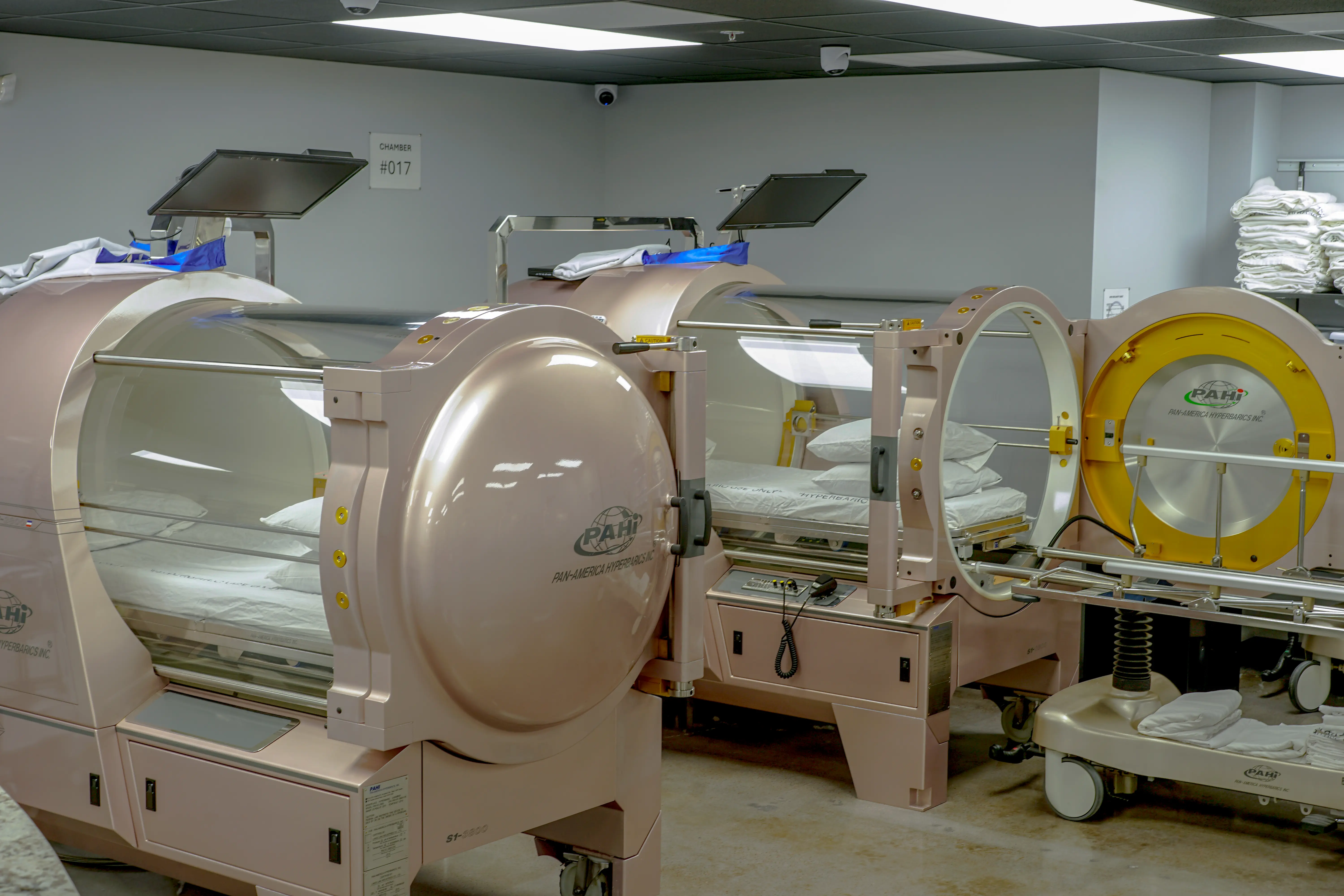
- Hyperbaric Oxygen Therapy (HBOT): HBOT delivers high levels of oxygen to damaged tissues, helping accelerate healing in chronic, complex, or non-healing wounds.
- Infection Management and Control: We identify and treat wound infections early using targeted therapies to prevent complications and support optimal healing.
- Limb Preservation Services: A multidisciplinary approach focused on preventing amputations through advanced wound care, circulation improvement, and infection control.
- Multidisciplinary Wound Care Coordination: Coordinated care between specialists ensures comprehensive treatment for complex wounds and underlying medical conditions.
- Negative Pressure Wound Therapy (NPWT, Wound VAC): This advanced therapy uses controlled suction to remove fluid, reduce swelling, and promote faster wound healing.
- Wound Cultures and Assessment: Laboratory testing and clinical evaluation help identify bacteria, guide treatment, and ensure effective infection control.
- Nutritional Assessment and Counseling: Proper nutrition plays a key role in healing. We evaluate dietary needs and support patients with wound-healing-focused nutrition plans.
- Offloading and Pressure Relief Techniques: Reducing pressure on wound, especially on the feet, helps promote healing and prevents further tissue damage.
- Patient Education & Home Wound Care Support: We empower patients and caregivers with the knowledge and tools needed for proper at-home wound care and recovery.
- Personalized Treatment Plans: Each patient receives a customized treatment plan based on wound type, severity, and underlying health conditions.
- Post-Procedure and Surgical Wound Assessment: Careful monitoring of surgical and post-procedure wounds ensures proper healing and early detection of complications.
- Recurrence Prevention Programs: Long-term strategies are designed to reduce the risk of wounds returning, especially in high-risk patients.
- Scar Management and Skin Restoration Support: Treatments aimed at improving skin appearance and function after wound healing, including scar reduction techniques.
- Skin Grafts and Flap Management: Advanced surgical and biologic techniques used to close complex wounds and promote durable healing.
- Specialized Wound Dressings and Advanced Therapies: We use modern wound dressings and biologic treatments designed to support faster, more effective healing.
- Wound Cleansing and Dressing Management: Proper cleaning and dressing selection are essential to maintain a healthy wound environment and support recovery.
- Wound Monitoring & Recurrence Prevention: Ongoing monitoring ensures wounds are healing properly while proactive strategies help prevent recurrence after closure.
Contact Us
- 18525 West Lake Houston Pkwy, Suite 104, Humble, TX, 77346
- 17045 St Edwards Ln, Suite 106, Houston, TX, 77090
- 281-713-6543
- [email protected]